
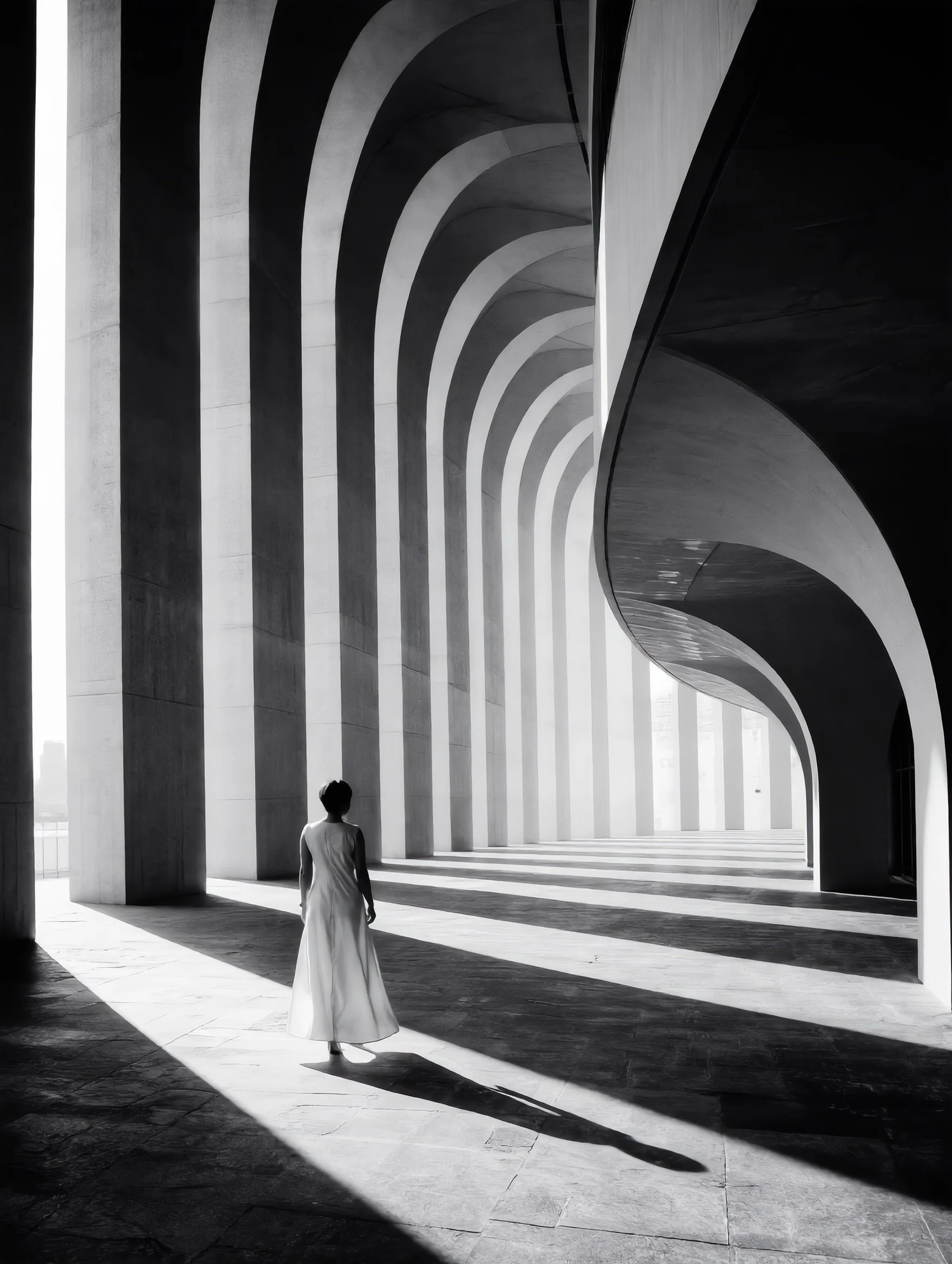
The environments that shape you
The environments we inhabit are not simply the backdrop to our lives. They are among the most powerful and most underestimated forces shaping how well we live them.
Environment is not just a physical thing. It is the home or workplace that either restores or depletes us at the end of a long day. It is the culture that either nurtures or quietly erodes our sense of belonging and purpose. And it is the inner landscape of our mental health, which colours every space we enter and every relationship we carry.
It is also the community we age within. The neighbourhood that either keeps us connected or lets us disappear. The home that either supports us as our needs change or becomes a quiet obstacle to living well. But designing well for ageing goes beyond the physical. It is about the lifestyle that surrounds us, the activities that keep the mind curious, the relationships that keep us feeling seen, the sense of purpose that does not retire when we do. Across Asia Pacific, a generation is growing older faster than the environments around them are keeping pace. And yet how we design for ageing, in our homes, our communities, and the lives we build within them, remains one of the least honestly examined questions of our time.
All of it is environment. All of it shapes us. And most of us move through it without ever stopping to ask whether the environments around us and within us are working for us or against us.
The Meridian Mind exists to ask that question. And to explore what becomes possible when we design our environments, at home, at work, within our communities, and within ourselves, more thoughtfully than we have before.
The Voice behind The Meridian Mind
Meira L. has spent over thirty years developing and marketing residential communities and hospitality projects across Singapore, Malaysia, the Philippines, Thailand, Vietnam, and Australia. It is a career built around spaces and the people who inhabit them, and what the two do to each other over time.
Those years of travelling for work across Asia-Pacific gave her something that outlasted every project. Moving between cultures, observing how differently people inhabit their homes, lead their teams, and relate to one another across the region, made her increasingly sensitive to the subtle but powerful ways environment shapes human behaviour and human connection. The same office layout feels entirely different in Hanoi than it does in Singapore. The same leadership style lands differently in Manila than it does in Melbourne. These differences taught her to look more carefully and to ask better questions.
Her deepest interest has always been human behaviour. What a generous leader does to the people around her. What a toxic one quietly takes away. She has experienced both firsthand, and neither has left her unchanged. That interest eventually led her to spend two years studying Christian counselling — not as a career path, but as a way of understanding people more deeply, and of sitting more honestly with the questions that a long career in fast-moving environments does not always leave room to ask.
She is now at the stage of life where the question of ageing has become personal. She watches the people around her, the fears they carry quietly, the loneliness they do not always name, the wish for a life that remains meaningful and manageable as the years change what is possible. These observations matter to her deeply.
She writes here because she believes these conversations are worth having. Too often, they are sidestepped, softened, or ignored. This space exists to change that.